Creating an email marketing proposal that stands out requires more than just listing your services. Clients want to see a well-thought-out strategy that addresses their specific goals, backed by data and creativity. An irresistible proposal doesn’t just pitch services; it paints a picture of what a successful email marketing campaign will look like, how it will impact their business, and why your agency is the right partner to make it happen.
1. Start with a Client-Focused Introduction
Jump right into what the client cares about: their business, challenges, and goals. Before drafting the proposal, take time to research their company, industry, and target audience. Use this section to show that you understand their current situation and how effective email marketing could serve their needs. Avoid the temptation to start by talking about your agency’s credentials; that can come later.
Example: “Your recent push for expanding your online store shows a clear focus on growth. However, we noticed that your current email marketing strategy could be enhanced to boost customer engagement and conversions, particularly around seasonal promotions and product launches.”
2. Outline the Client’s Pain Points and Opportunities
Demonstrate that you’ve done your homework. Highlight key challenges the client faces with their current email marketing efforts (or lack thereof) and point out the untapped opportunities you’ve identified. This sets the stage for the solutions you’ll propose and reassures the client that you know what you’re talking about.
For instance, if their existing email campaigns have low open rates, mention this and suggest how strategic changes could help increase these rates. Perhaps you noticed they aren’t segmenting their email lists effectively, leading to missed opportunities for personalization.

Example: “We noticed that your monthly newsletters have an average open rate of 12%, below the industry benchmark of 18-25%. This indicates a potential issue with email targeting or content. By implementing list segmentation and A/B testing for subject lines, we believe we can significantly improve these numbers.”
3. Present Your Solution Clearly
Now that you’ve identified the client’s pain points, it’s time to showcase how your agency plans to address them. Break down your approach into clear, actionable strategies. This is where you outline your game plan, but do so in a way that feels tailored to the client’s specific needs.
Segmentation:
Describe how you’ll segment their audience based on factors like behavior, purchase history, or demographics to ensure each message resonates with its intended recipient.
Content Strategy:
Discuss the kind of content you’ll create, whether it’s product-focused emails, educational content, or promotional offers, and explain how this will engage their audience and drive conversions.
Campaign Design:
Highlight the use of compelling visuals, concise copy, and strong calls-to-action (CTAs) to boost email engagement.
Automation:
Talk about automating email sequences for different customer journeys – from welcome series to cart abandonment reminders. Automation can save time and improve personalization.
Testing and Optimization:
Promise to conduct A/B testing on various elements, such as subject lines, send times, and CTAs, to continuously refine and improve campaign performance.
Example: “We propose segmenting your email list into three primary categories: recent buyers, repeat customers, and inactive subscribers. For each segment, we will design targeted campaigns. For instance, a ‘win-back’ series for inactive subscribers featuring personalized product recommendations and an exclusive discount offer to re-engage them.”
4. Set Clear Objectives and KPIs
Clients want to know what success will look like. Set specific, measurable objectives that align with their business goals. Will you aim to increase their click-through rates by 20% over the next quarter? Grow their email subscriber list by 1,000 contacts in the next six months? Boost their e-commerce sales via email by 15%?
Laying out key performance indicators (KPIs) like open rates, click-through rates, conversion rates, and revenue per email makes it clear how progress will be tracked. Providing concrete targets reassures clients that your approach is both strategic and data-driven.
Example: “Our goal is to achieve a 25% open rate and a 5% click-through rate within the first three months of implementing the new campaign strategy. Additionally, we aim to increase e-commerce sales from email marketing by 15% over the next six months.”
5. Provide a Detailed Timeline
Clients appreciate knowing when things will happen. Include a clear timeline that outlines each step of your proposed strategy, from initial setup to campaign launch and optimization. Break it down into manageable phases, such as:
Week 1-2:
Initial strategy session, audience research, and email list segmentation.
Week 3-4:
Content creation, design of email templates, and setting up automation workflows.
Week 5:
A/B testing of subject lines and content.
Week 6:
Launch the first campaign.
Ongoing:
Monthly performance reviews, adjustments, and reporting.
This not only helps set client expectations but also demonstrates your commitment to a structured and proactive approach.
6. Showcase Your Experience and Past Success
Now that you’ve outlined your strategy, it’s time to establish credibility. Briefly highlight your agency’s expertise and share case studies or testimonials from similar projects. Focus on results – numbers speak louder than words. If possible, include before-and-after statistics from previous email marketing campaigns you’ve managed.
Example: “In a recent campaign for a similar e-commerce client, our targeted approach increased their open rate by 35% and led to a 20% boost in online sales within three months. With our experience in crafting tailored email strategies, we’re confident we can achieve comparable success for your brand.”
7. Break Down the Investment
When it comes to pricing, transparency is key. Clients want to understand what they’re paying for, so break down the costs into understandable terms. Whether you charge a flat fee, hourly rate, or monthly retainer, clearly outline the services included in each price point.
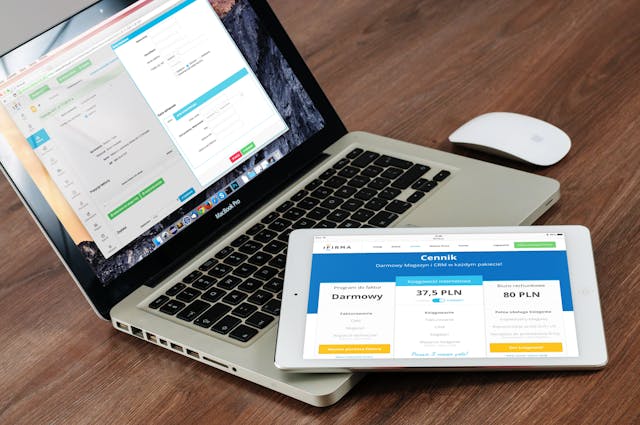
For example, you might have different packages:
Basic Package:
Email list segmentation, monthly newsletter creation, and basic performance tracking.
Premium Package:
Advanced list segmentation, weekly email campaigns, custom content creation, automation workflows, A/B testing, and in-depth monthly reporting.
Be sure to frame the cost as an investment, linking it back to the expected ROI. If you estimate that the proposed strategy could boost their monthly revenue by $10,000, a monthly fee of $2,000 suddenly looks like a worthwhile investment.
8. Wrap Up With a Call to Action
End your proposal with a strong call to action. Invite the client to move forward, whether that means scheduling a follow-up call, signing the proposal, or setting up an initial strategy session. Make it easy for them to take the next step.
Example: “We’re excited about the opportunity to elevate your email marketing strategy. Let’s set up a call next week to review any questions you have and discuss the next steps to get started.”
9. Include an Appendix with Additional Details
For clients who like to dive deeper into the details, include an appendix. This section might contain more in-depth explanations of your methods, examples of email templates, or a glossary of email marketing terms. It keeps the main proposal focused and streamlined, while still providing extra value for those who want it.
By following these steps, you’ll create a client-centric email marketing proposal that not only outlines a strategic plan but also makes the client feel confident in your ability to deliver results. A well-crafted proposal serves as a roadmap, showing the client exactly how you’ll take their email marketing to the next level while reinforcing the value you bring as their trusted partner.