Phone repair businesses live in a world of immediate problems. A cracked screen, a dead battery, a phone that suddenly will not charge five minutes before someone needs it for work or navigation. The technical skill required to fix these issues is real and hard-earned. Yet in today’s market, technical ability alone no longer guarantees steady growth.
The modern customer does not find repair shops the way they once did. Foot traffic, referrals, and signage still matter, but they are no longer the primary drivers of demand. Most repair journeys now start on a screen, not a sidewalk. That shift has turned digital marketing into a core operational function rather than a side project. For repair shops that want consistent leads and long-term stability, fixing devices is only half the job.
How the Phone Repair Buyer Has Changed
People rarely plan to need phone repair. It is almost always reactive. Something breaks, panic sets in, and the search begins immediately. This urgency shapes how customers evaluate options. They want speed, clarity, and reassurance more than clever branding.
In that moment, visibility matters more than reputation alone. A repair shop that does excellent work but cannot be easily found online often loses to a competitor that clearly explains services, pricing expectations, and turnaround time. Digital presence has become the new storefront.
Search First, Walk Later
Most customers no longer walk around comparing repair shops. They search first. They look for nearby options, scan reviews, and check websites or profiles to confirm legitimacy. Only then do they decide where to go.
This means that the decision is often made before any human interaction occurs. If your shop does not appear in relevant searches, or if your online information feels outdated or incomplete, you may never enter the consideration set at all.
Why Repair Shops Struggle With Digital Marketing
Many phone repair shop owners are technicians first. They understand hardware, diagnostics, and repair processes deeply. Marketing often feels abstract by comparison, especially when it changes quickly and produces delayed results.
There is also the misconception that digital marketing requires aggressive sales tactics or constant content creation. In reality, effective marketing for repair shops is less about persuasion and more about removing friction. Customers are already motivated. They simply need confidence that you can solve their problem quickly and reliably.
The Cost of Invisibility
The biggest marketing mistake repair shops make is not doing it poorly, but not doing it at all. An unclaimed local listing, inconsistent business hours online, or a website that does not load well on mobile can quietly drain demand.
In a competitive local market, invisibility compounds. Each missed search result is not just one lost customer, but potentially many, as people often return to the same provider for future repairs once trust is established.
Local Search as the Backbone of Repair Shop Growth
Local search is the single most important digital channel for phone repair businesses. Customers search with intent and proximity, often using phrases that indicate urgency. Appearing in those moments requires accurate, consistent local information.
This includes location details, hours, service descriptions, and signals that the business is active and responsive. Local visibility is not about ranking everywhere. It is about showing up when it matters most.
Trust Signals Matter More Than Perfection
Customers understand that repair shops are practical businesses, not luxury brands. They are not looking for polished visuals as much as proof of reliability. Clear service explanations, real photos of the shop, and authentic customer feedback all contribute to trust.
When digital profiles reflect reality, customers feel more comfortable walking in. Mismatches between online information and in-store experience erode confidence quickly.
Websites That Convert Urgency Into Action
A repair shop website does not need to be complex. It needs to answer urgent questions fast. What devices are repaired, how long it takes, what types of issues are handled, and how to get in touch immediately.
Many repair shop websites fail by focusing on generic claims instead of practical information. Customers want to know whether their specific problem can be fixed today, not just that the shop offers “quality service.”
Mobile Experience Is Non-Negotiable
Most repair searches happen on phones, often on damaged ones. If a site is slow, cluttered, or difficult to navigate on mobile, customers move on quickly. Clear calls to action, tap-to-call functionality, and simple layouts reduce friction.
The goal is not to impress. It is to make the next step obvious.
Content That Supports, Not Distracts
Content marketing for repair shops is not about blogging for volume. It is about answering the questions customers already have. Simple explanations of common issues, repair timelines, and what to expect during a visit help reduce anxiety.
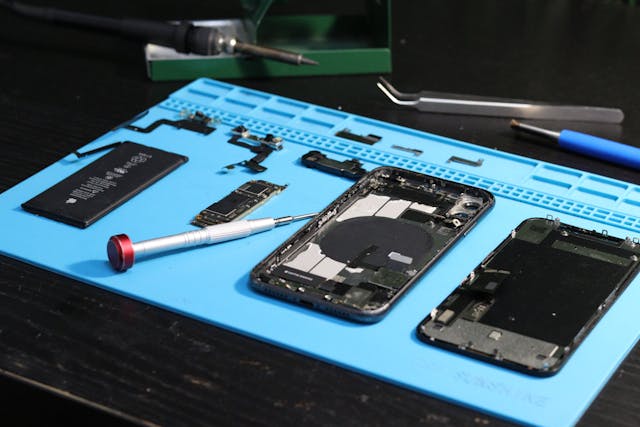
This kind of content also supports search visibility. When a site clearly covers common problems, it aligns naturally with how customers search. The result is qualified traffic rather than broad exposure.
Education Builds Confidence
Repair can feel intimidating for customers who do not understand technology. Clear, straightforward explanations build confidence without overwhelming. When customers feel informed, they are more likely to trust recommendations and return in the future.
Education also sets realistic expectations. When customers understand what can and cannot be fixed, dissatisfaction decreases even when outcomes are not ideal.
Reviews as a Growth Engine, Not a Vanity Metric
Reviews are often the deciding factor for repair shops. Because customers are trusting you with essential devices and personal data, social proof carries significant weight. A strong review profile signals competence and reliability.
The key is consistency rather than perfection. A steady flow of honest reviews over time matters more than a flawless rating with little activity.
Responding Shows Accountability
How a shop responds to feedback, especially negative feedback, matters as much as the feedback itself. Calm, professional responses demonstrate accountability and care. Silence can suggest indifference.
Digital marketing is not just about attracting attention. It is about maintaining trust in public view.
Paid Visibility and When It Makes Sense
Paid digital advertising can be effective for repair shops, particularly in competitive markets. The advantage lies in capturing high-intent searches when organic visibility is limited. The risk lies in wasted spend if targeting and messaging are unclear.
Successful paid campaigns focus narrowly on services and locations rather than broad exposure. They act as a supplement to organic presence, not a replacement.
Measuring What Actually Matters
Repair shops should measure marketing success in practical terms. Phone calls, walk-ins, and booked repairs matter more than clicks or impressions. Digital marketing should connect directly to business outcomes.
Simple tracking systems help owners understand what is working and where adjustments are needed. Without measurement, marketing feels like a cost rather than an investment.
Marketing as Part of the Repair Experience
The most effective repair shops treat marketing as an extension of customer service. Clear communication, honest representation, and responsiveness online mirror the experience customers receive in-store.
When marketing aligns with operations, it feels natural rather than forced. Customers arrive with appropriate expectations, interactions are smoother, and satisfaction increases.
Consistency Builds Repeat Business
Phone repair is often repeat business. Screens break again. Batteries age. New devices need service. The shop that handled the first repair well and maintained a clear digital presence is more likely to be chosen again.
Marketing supports this continuity by keeping the business visible and familiar.
Growth Comes From Being Findable and Trustworthy
Fixing devices will always be the foundation of phone repair businesses. Skill, speed, and care matter. But growth increasingly depends on being findable, understandable, and trustworthy before a customer ever steps inside.
Digital marketing is not about chasing trends. It is about meeting customers where they already are, during moments of urgency, with clarity and confidence.
For iPhone and Android repair shops, the work does not end at the repair bench. In today’s market, the shops that thrive are the ones that understand that fixing devices is only half the job. The other half happens online, long before the cracked screen ever reaches the counter.