Commercial asphalt services have long operated in a world defined by physical assets. Roads, parking lots, industrial yards, and access routes form the backbone of logistics, commerce, and daily movement. For decades, growth in this industry depended on local reputation, word of mouth, long-standing contracts, and visibility through physical presence alone. That foundation still matters, but it is no longer enough on its own.
The market has changed around the asphalt industry, even if the work itself looks similar on the surface. Property managers, facility operators, developers, and procurement teams now search, compare, and evaluate service providers online before making contact. Decisions that once began with a phone call now begin with a search engine, a website, or a digital profile. This shift has quietly reshaped how commercial asphalt businesses grow, compete, and position themselves for the future.
The Changing Buyer Journey in Commercial Asphalt Services
The process of selecting a commercial asphalt provider has become more research-driven and less relationship-dependent than it once was. While referrals still play a role, they are often supplemented by online validation. Buyers want confirmation that a company understands their specific type of project, has experience at the right scale, and operates reliably.
Digital channels now shape first impressions long before an estimate is requested. A prospective client may review service descriptions, project photos, educational content, and online presence to assess credibility. If that information is missing or unclear, the opportunity often disappears before any direct conversation takes place.
From Emergency Calls to Planned Searches
Historically, many asphalt projects began with urgency. A failing surface, safety concern, or compliance issue triggered a quick search for a local contractor. While emergency work still exists, show up rates for planned maintenance, resurfacing cycles, and capital improvement projects have increased.
Planned work encourages comparison. Buyers look for signals of professionalism, process, and long-term thinking. Digital marketing allows asphalt service providers to speak to these needs before the first interaction, positioning themselves as partners rather than last-minute fixes.
Why Traditional Growth Models Are No Longer Sufficient
Relying solely on existing relationships and physical visibility limits growth in a more competitive and transparent market. New entrants can establish digital credibility faster than they can build decades of local presence. At the same time, established providers risk being overlooked if their online footprint does not reflect their real-world capabilities.
Digital marketing does not replace operational excellence. It amplifies it. Companies that deliver high-quality work but fail to communicate it digitally often lose ground to those who can explain their value clearly and consistently online.
Geographic Expansion Without Physical Expansion
One of the most significant shifts digital marketing enables is geographic reach. Commercial asphalt companies can now attract inquiries from broader service areas without opening new offices or yards. Clear location pages, service explanations, and project examples allow buyers to understand coverage without assumptions.
This matters especially for commercial clients who manage multiple properties. They often prefer providers who can handle projects across regions. Digital visibility makes it easier to signal that capability, even if operations are still centrally managed.
Digital Presence as a Signal of Operational Maturity
In commercial services, buyers often equate digital professionalism with operational discipline. A clear, well-structured website suggests organized processes, reliable communication, and attention to detail. These qualities matter when projects involve timelines, safety standards, and coordination with other trades.
Digital marketing allows asphalt companies to demonstrate how they think, not just what they do. Educational content, detailed service pages, and project explanations reveal problem-solving approaches and technical understanding.
Educating the Market Builds Trust
Many commercial clients are not asphalt experts. They may manage facilities, budgets, or compliance, but they rely on service providers to guide decisions. Digital marketing creates space to explain maintenance cycles, resurfacing options, risk factors, and cost considerations in plain language.
Education builds trust before a proposal is even requested. When buyers feel informed rather than sold to, conversations start at a higher level. This often leads to better-fit projects and more productive client relationships.
Search Visibility and Intent-Based Growth
Search behavior has become one of the most reliable indicators of buyer intent. When someone searches for commercial asphalt services, they are often actively planning a project or solving a problem. Appearing at that moment matters.
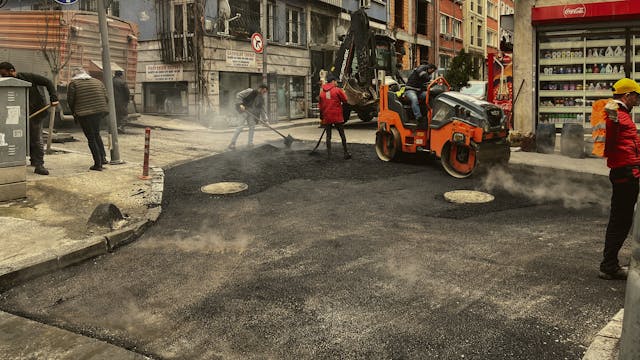
Search-focused digital marketing aligns service offerings with real demand. By structuring content around how buyers search, companies can attract inquiries that are already relevant, reducing wasted effort and improving conversion quality.
Local and Commercial Search Signals
Commercial asphalt searches differ from residential ones. They often include terms related to scale, compliance, industrial use, or specific asset types like parking facilities or access roads. Digital strategies that acknowledge these distinctions perform better than generic approaches.
Clear differentiation between commercial capabilities and smaller-scale work helps attract the right audience. It also filters out mismatched inquiries, saving time for both sides.
Visual Proof and Project Transparency
In an industry defined by physical outcomes, visuals matter. Digital platforms allow asphalt companies to showcase completed work, process stages, and site conditions in ways that static advertising never could. Photos and explanations provide tangible proof of experience.
Transparency around scope, challenges, and results helps buyers assess fit. It also reduces uncertainty, which is a major barrier in large-scale service decisions.
Moving Beyond Before-and-After
While before-and-after images are useful, deeper storytelling adds more value. Explaining why certain methods were chosen, how disruptions were minimized, or how longevity was improved demonstrates expertise rather than just outcomes.
This level of detail positions a company as thoughtful and strategic. It appeals to commercial clients who are accountable for budgets, safety, and long-term asset performance.
Reputation Management in a Digital Environment
Reputation has always mattered in commercial asphalt services. What has changed is where that reputation lives. Online feedback, reviews, and third-party validation now influence decisions alongside personal recommendations.
A consistent digital presence helps manage reputation proactively. Clear communication, accurate expectations, and visible professionalism reduce the risk of misunderstandings that can damage trust.
Responding to Feedback as Part of Brand Identity
How a company responds to feedback can matter as much as the feedback itself. Professional, calm responses signal accountability and maturity. Silence or defensiveness can raise concerns, even among buyers who have never worked with the company.
Digital marketing extends beyond promotion. It includes stewardship of public perception over time.
Aligning Digital Strategy With Long-Term Infrastructure Cycles
Commercial asphalt work is cyclical by nature. Surfaces age, budgets reset, and maintenance plans evolve. Digital marketing allows companies to stay visible throughout these cycles rather than only at the moment of crisis.
By maintaining consistent presence, companies position themselves as familiar options when planning begins. Familiarity reduces friction and shortens decision timelines.
Supporting Preventive Maintenance Conversations
Preventive maintenance is often a harder sell than reactive repair, yet it offers better outcomes for both clients and service providers. Digital education supports this shift by explaining value before urgency sets in.
When buyers understand the cost and disruption trade-offs early, they are more open to proactive engagement. Digital channels make that education scalable.
Bridging Old Infrastructure With Modern Growth
Commercial asphalt services operate at the intersection of aging infrastructure and evolving expectations. Roads and surfaces may be old, but the way clients evaluate service providers is increasingly modern. Digital marketing bridges that gap.
It allows companies rooted in physical work to communicate relevance, reliability, and readiness in a digital-first world. Growth no longer depends solely on who you know or how long you have been around. It depends on how clearly you can be found, understood, and trusted online.
The asphalt industry does not need to abandon its traditional strengths to grow. It needs to translate them into digital signals that today’s buyers recognize. When that translation is done well, old infrastructure becomes the foundation for new growth rather than a limitation.