Electric mopeds have quietly moved from the margins of urban transport into the mainstream. What once seemed like a niche solution for short-distance travel is now showing up consistently in search data, city streets, and everyday commuting habits. This shift is not being driven by a single factor. Instead, it reflects a combination of changing user expectations, rapid advancements in smart technology, and broader cultural changes around how people want to move through cities. When you look closely at search trends, technology adoption, and real-world behavior, a clear story emerges about why electric mopeds are rising and where this movement is heading.
What Search Behavior Says About Changing Mobility Needs
Search behavior often provides an early signal of deeper changes in consumer thinking. Over recent years, queries related to electric mobility have steadily increased, particularly those focused on compact, city-friendly transport options. Rather than searching only for traditional vehicles, users are increasingly looking for solutions that fit short commutes, urban congestion, and everyday errands. This reflects a shift away from long-distance, highway-focused travel toward localized, flexible movement within cities.
Another notable pattern in search trends is the intent behind these queries. Many searches focus on practicality rather than novelty. Users are looking for information on range, charging time, daily usability, and cost savings. This suggests electric mopeds are no longer viewed as experimental or recreational but as serious alternatives for routine transportation. The language people use in searches points to problem-solving behavior, such as finding ways to reduce commute stress, save money, or avoid traffic, rather than simply exploring new technology for curiosity’s sake.
Search trends also reveal growing interest across diverse demographics. Students, young professionals, gig workers, and even older urban residents are all represented in the data. This broad appeal highlights how electric mopeds are being perceived as adaptable tools rather than age- or lifestyle-specific vehicles. The rise in localized searches tied to dense urban areas further reinforces the idea that electric mopeds are filling a specific gap left by traditional transport systems.
How Smart Technology Is Shaping the Electric Moped Experience
Smart technology has played a major role in transforming electric mopeds from simple electric vehicles into connected mobility tools. Modern users expect their transportation to integrate seamlessly with their digital lives, and electric mopeds are increasingly designed with this expectation in mind. Features that allow users to interact with vehicles through mobile devices have become a baseline rather than a luxury.
Connectivity enables riders to monitor battery status, track trips, receive maintenance alerts, and manage access through apps. This creates a sense of control and transparency that traditional vehicles often lack. Users can plan routes more efficiently, avoid unexpected breakdowns, and better understand how their riding habits affect energy consumption. These insights turn everyday commuting into a more informed and optimized experience.
Smart systems also allow electric mopeds to interact with their surroundings in more sophisticated ways. Software-based controls can adapt performance to traffic conditions, manage energy usage intelligently, and support safety features that respond in real time. For users, this means a smoother, more predictable ride that aligns with the pace and complexity of urban environments. The technology fades into the background, while the benefits become part of daily life.
User Habits Reflect a Shift Toward Purpose-Driven Transport
User habits around electric mopeds reveal an important change in how people think about transportation. Rather than choosing vehicles as symbols of status or power, many users now prioritize purpose and efficiency. Electric mopeds fit neatly into this mindset because they are designed for specific use cases, particularly short to medium urban trips where cars are often inefficient.
Daily usage patterns show that electric mopeds are commonly used for commuting, errands, and work-related travel rather than occasional leisure rides. This consistent, functional use suggests that users trust these vehicles as dependable tools. Over time, this trust reinforces habit formation, making electric mopeds a default choice rather than an alternative option.
Another notable habit is the preference for flexibility. Many users value the ability to ride when needed without long-term commitments. This is reflected in the growing acceptance of shared mobility models and short-term access arrangements. Even among private owners, the appeal often lies in having a lightweight, easy-to-manage vehicle that complements other transport options rather than replacing them entirely. Electric mopeds fit well into multimodal lifestyles where walking, public transport, and personal mobility devices coexist.
Cost Awareness and Value-Oriented Decisions
Cost considerations strongly influence user behavior, and electric mopeds align well with value-driven decision-making. Search trends frequently include comparisons related to running costs, charging expenses, and maintenance needs. This indicates that users are actively evaluating the long-term financial implications of their transport choices.
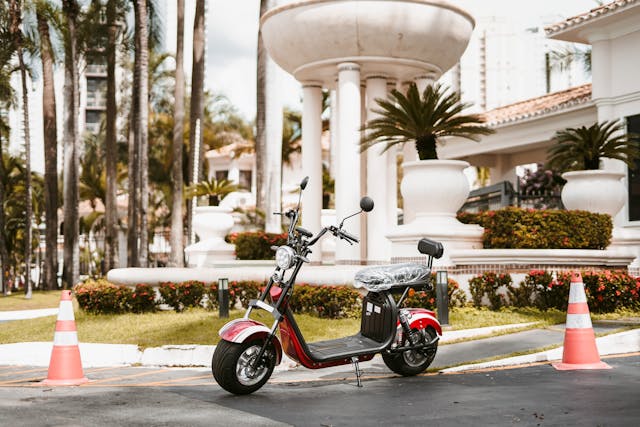
Electric mopeds typically offer lower operating costs compared to traditional fuel-powered vehicles. Users quickly recognize savings from reduced energy expenses and simpler maintenance requirements. Over time, these savings become part of the appeal, particularly in cities where fuel prices, parking fees, and congestion charges are high. For many riders, the financial logic reinforces the emotional and environmental motivations behind choosing electric mobility.
User habits also show an increasing willingness to invest in solutions that offer predictable costs. Rather than dealing with fluctuating fuel prices and unexpected repairs, users prefer systems that are easier to budget for. Electric mopeds, supported by smart monitoring tools, provide clearer visibility into usage patterns and expenses, making them attractive to cost-conscious urban dwellers.
Environmental Awareness as a Practical Motivation
While environmental concern is often discussed in abstract terms, user behavior around electric mopeds shows that sustainability is becoming a practical consideration rather than a purely ideological one. Many users see electric mopeds as a way to reduce emissions without making significant lifestyle sacrifices. This balance between environmental responsibility and convenience is a key factor in adoption.
Search trends related to electric mobility often intersect with broader topics like urban air quality and sustainable living. This suggests users are connecting personal transport choices with larger environmental outcomes. However, the emphasis remains on everyday impact rather than distant global goals. People are motivated by cleaner local air, quieter streets, and healthier living conditions that directly affect their daily experiences.
User habits reinforce this perspective. Riders who choose electric mopeds often integrate them into routines that minimize environmental impact while maintaining efficiency. Over time, these habits contribute to a cultural normalization of cleaner transport, making electric options feel ordinary rather than exceptional.
Urban Living and the Demand for Compact Solutions
The rise of electric mopeds is closely tied to changes in urban living patterns. As cities become denser, space becomes more valuable and congestion more problematic. Search behavior reflects this reality, with users frequently looking for transport options suited to crowded streets and limited parking.
Electric mopeds address these challenges by offering a compact footprint and agile handling. User habits show a preference for vehicles that can navigate narrow roads, bypass traffic bottlenecks, and be parked easily. This practicality makes electric mopeds especially appealing in cities where traditional vehicles feel oversized and inefficient for everyday use.
Urban users also tend to value time efficiency. Short trips that might take a long time by car due to traffic or parking constraints can often be completed more quickly on an electric moped. Over time, these time savings reinforce habitual use and strengthen the perceived value of electric mobility.
What These Patterns Suggest About the Future
When search trends, smart technology adoption, and user habits are viewed together, they point toward a future where electric mopeds play a stable and growing role in urban transport systems. They are no longer positioned as temporary solutions or trends driven by novelty. Instead, they are becoming integrated into how people plan, experience, and evaluate daily movement.
Smart technology will likely continue to deepen this integration, making electric mopeds more responsive, safer, and easier to use. As users grow accustomed to connected mobility, expectations will rise, pushing further innovation. At the same time, evolving habits around sustainability, cost awareness, and flexibility will continue to favor transport options that align with modern urban lifestyles.
Electric mopeds represent more than a shift in vehicle preference. They reflect a broader rethinking of mobility itself, shaped by data-driven decision-making, technological convenience, and changing cultural values. The patterns seen today suggest that this movement is not a passing phase but a meaningful step toward smarter, more human-centered urban transport.